If you’re a Canadian with a low or modest income, tax credits like the Canada Workers Benefit (CWB) and the GST/HST Credit can provide crucial financial relief. However, these two benefits often cause confusion—who qualifies, how they’re calculated, and whether you can claim both. Here’s a breakdown to help you understand the differences and maximize your eligibility.
What Is the Canada Workers Benefit (CWB)?
The Canada Workers Benefit is a refundable tax credit designed to support low-income individuals and families who earn income from employment or self-employment. This benefit acts as an incentive for Canadians to participate in the workforce, as its eligibility depends on earned income.
For tax year 2025, the maximum CWB amounts are:
- $1,590: For single individuals without children
- $2,739: For families (couples or single parents)
To apply for the CWB, you must file your income tax return and complete Schedule 6. Eligible individuals can also opt for advance payments, receiving 50% of their benefit in three installments throughout the year.
What Is the GST/HST Credit?
The GST/HST credit is also a refundable tax credit, but it specifically helps low- and modest-income Canadians offset the federal sales tax (GST/HST) paid on goods and services. Unlike the CWB, the GST/HST credit operates independently of earned income, making it accessible even to those without employment income.
For 2025, the maximum GST/HST credit amounts are:
- $533: For single individuals
- $698: For couples (married or common-law)
- $184: Per child under 19 in a household
If you’re a newcomer to Canada, you can apply by filing your taxes and submitting Form RC151 to start receiving this benefit.
Canada Workers Benefit vs. GST/HST Credit: A Straightforward Comparison
Both programs aim to reduce financial strain, but their purposes, eligibility criteria, and payment structures differ significantly. Here’s a clear comparison to help you understand:
| Feature | Canada Workers Benefit (CWB) | GST/HST Credit |
|---|---|---|
| Purpose | Supports working individuals and families with earned income | Offsets GST/HST taxes paid on goods and services |
| Income Requirement | Yes, must have earned income | No, available even with zero earned income |
| Payment Frequency | Annual payment; optional advance installments | Quarterly payments |
| 2025 Maximum Amounts | $1,590 (single) or $2,739 (family) | $533 (single), $698 (couple), $184 per child |
Can You Receive Both Benefits?
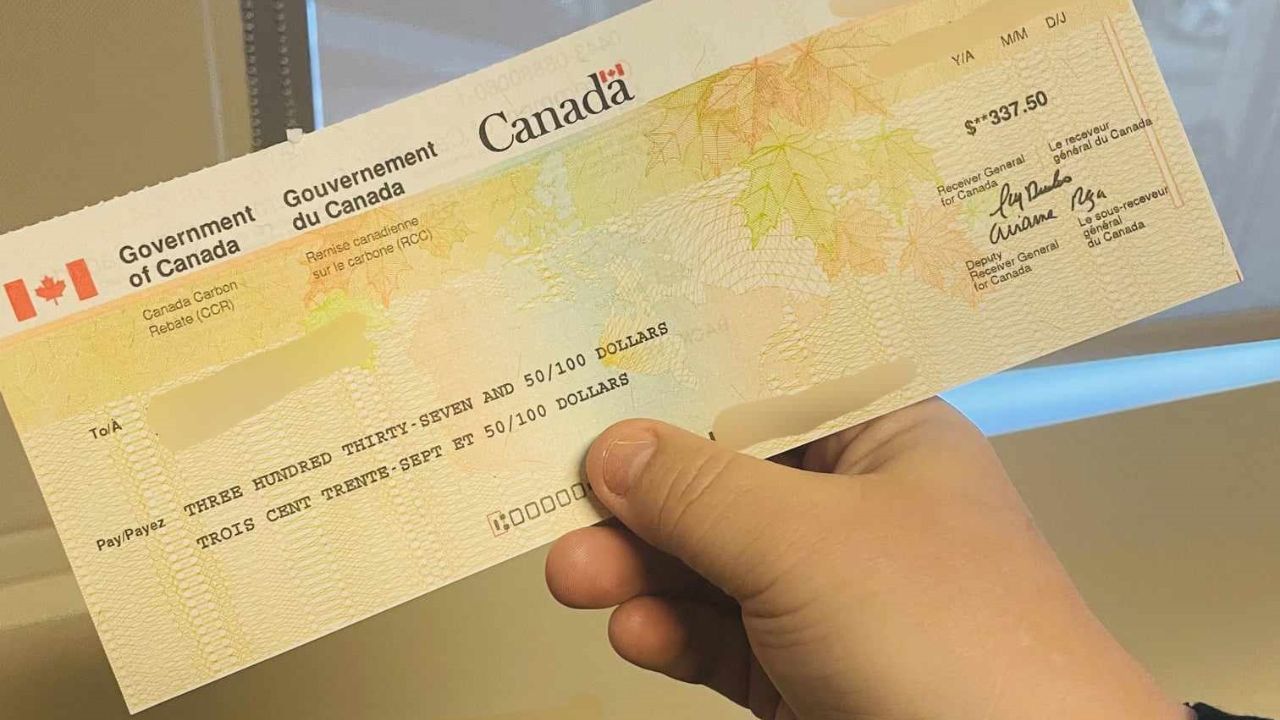
Yes! Many Canadians qualify for both the CWB and the GST/HST credit simultaneously, depending on their income and family size. Here’s how:
- If you’re employed: Your earned income could qualify you for the CWB while your overall income ensures GST/HST credit eligibility.
- If you’re unemployed: While you won’t qualify for CWB, the GST/HST credit is still accessible if your overall income is within the qualifying threshold.
Examples to Illustrate
Example: Single Worker
- Earnings: $22,000 annually
- CWB: Eligible for $1,200
- GST/HST Credit: Eligible for $533
- Total Benefits: $1,733
Example: Working Couple with Children
- Earnings: $38,000 annually (combined)
- CWB: Eligible for $2,400
- GST/HST Credit: $698 + $368 (children)
- Total Benefits: $3,466
How to File and Maximize Your Benefits
- File your tax return: Always file, even with minimal income.
- Complete Schedule 6: Needed for the CWB.
- Use My CRA Account: Track and update personal details like marital or family status.
- Seek free tax clinics: Use the Community Volunteer Income Tax Program (CVITP) for help.
Don’t leave money on the table this year. Find out which benefits you can combine this year and make 2025 the year of financial relief!
You might also like: